




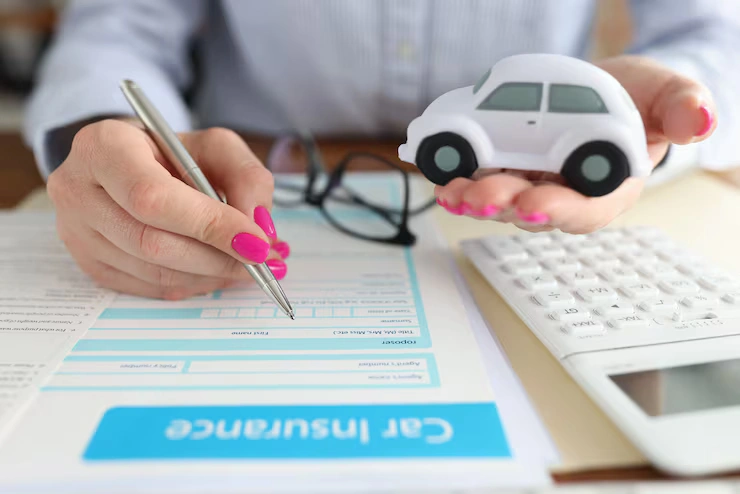
Apart from injuries, one of the biggest worries of most of the drivers, after a car accident is getting their vehicle repaired, and whether their insurance cost will rise. According to research, if you are at fault than their high chances of your premium to increase by around 40% to 50%. This could mean you paying about 50,000 to 70,000 more each year. Sometimes your insurance exact hike depends upon a lot of other factors like your driving history, location, company from which you bought yourself insurance, and how severe the accident is.
A rule called “accident forgiveness” is taken out by some insurance companies. Now what does it mean? It is when the insurer does not increase the insurance price at all, if you have caused an accident for the first time. Similarly your insurance cost won’t go up when the accident is caused by the other driver. To be assured that you don’t pay more than what is necessary, it is important to consult a car insurance expert who can help you in handling claims properly. Staying informed helps you to be well prepared for any financial surprises after an accident .
ALSO READ: Stopped By Traffic Police? Understand Your Rights, Fines, And Responsibilities
Understanding No-Fault Insurance Systems
- In some states of the U.S , no-fault insurance system is followed by drivers, here it means no matter who caused the damage, your own insurance company pays the bill and you don’t have to wait for other drivers insurance companies to pay for the damages.
- This is to reduce the number of lawsuits that come from small car accidents and to speed up the claim process.
- One of the important parts of no fault insurance is (PIP) personal injury protection, which after the accident pays for the medical expenses, lost income after it, and bills of the hospital. According to what plan you have, PIP can cover costs for up to 3 years.
- In the states that use no fault system, drivers need to have (PIP) Personal Injury Protection. It helps to pay for medical bills, rehabilitation, or any type of therapy and sometimes the salary you are losing onto after the car accident. It provides you with quick financial help, no matter who is at fault.
- Because of this no-fault insurance the driver can not sue another driver who is at fault until and unless the injuries suffered are too serious, results in death, or has caused permanent damage to any body part.
- Insurance companies need to pay more claims in the no fault system, even when the accident is not caused by their driver. So, to cover those extra costs they might charge higher premiums.
- This insurance does benefit in terms of faster payments, less legal disputes, and less paperwork from drivers.
Why Does Auto Insurance Go Up After an Accident?
- Rates of auto insurance often increase after a crash because the insurance company sees you as a risky driver. When the car owner is applying for the coverage, companies often look at the record of the driving, and the rate is decided in accordance to your vehicle type.
- When you are at fault after an accident, insurers might make an assumption of you to most likely file future claims, which may lead to higher premiums.
- 48% is the average increase after a crash, though it all depends upon the severity of the accident, state and the insurer.
- One of the big reasons for your insurance rate going to you is because of surcharges. It is an extra fee that is added to your regular payment by your insurance company if you do something risky, like an accident, or miss a payment. These payments stay on your record for 3 to 5 years.
- You are moved to higher risk groups, if you have had multiple accidents or due payments, this makes them assume that in future you might get into more such accidents.
- Who was at fault also sets your increase in rate, like the seriousness of the damage done, and your driving records.
Steps You Need to Take to Raise an Insurance Claim
- It is important to keep your safety as your priority, the first thing to do after an accident is to check that all the passengers and others are safe. Call emergency service immediately if anyone is hurt, try not moving the vehicle until and unless it causes jam or is unsafe to be left there.
- It is important to reach out to the insurance company to report the incident as soon as possible. Many companies have their specific time limits for filling the claim. The claim can be rejected if there is a delay in this step.
- For any major accident, theft or third party injuries, filling an FIR is very important at the nearest police station. It is required during the claim, and works as an official record of the event.
- It is important to collect evidence, photos of your own vehicle and even of the other vehicle which was involved in the accident. These images are a big help and proof when filling the claim.
- Get and fill the claim form from your insurance company app or website, feel very vigilant while filling it, and attach all the important and required documents like driving licence, certificate of registration, FIR, and copy of the insurance policy if in need.
- After all the verification, the insurer can opt for either of these options: direct garage payment or reimbursement after the repair. It all depends upon the policy you have
- Before your claim gets approved there is a thorough inspection of the vehicle, the insurance company will send their surveyor to check all the damages that have been done.
- After all the verification, the insurer can opt for either of these options: direct garage payment or reimbursement after the repair. It all depends upon the policy you have.
- Keep a track of your claim through SMS, mail, or the insurance company app to be fully ensured of the smooth and timely settlement.
Read More Such Articles On AUTOXP: CLICK MORE

